
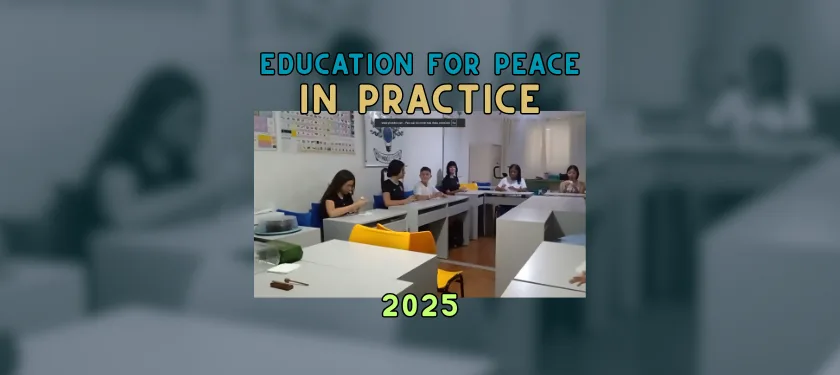
Education for Peace in Practice – 2025
This article is the result of actions and proposals carried out by the team of Cultural Collective Fora da Caixa with a group of young people who attend the classes at the Educational Center and Institute André Luiz, our partners since we started to implement our project.
The program of Peace Education is being conducted with young people aged 11 to 17 who attend classes in the group called “Motivating the Future.” The participants are renewed every year, as the goal of the institution is to empower children and young people from the public school system to obtain scholarships to private schools. We feel very happy when our students get scholarships and leave us to continue their studies and advance academically and personally in their lives.
The Peace Education program has been implemented since 2018, with a brief interruption during the pandemic. Each year we introduce new content, activities, and reflections that address the current situation and events occurring during the meetings, such as the war in Ukraine, the conflicts in Gaza, elections, etc. We approach these topics seeking reflection, providing accurate information and reliable references to mitigate the effects of fake news and manipulation of opinions. The structure of the meetings is maintained from the beginning, respecting the main axes of the relationships “Me with myself,” “Me with others,” and “Me with the world.” These dimensions are the reflective basis of the program, including the following cross-cutting themes: Emotional Health, Emotional Intelligence, Contemplative Practices, Leadership, Eco-citizenship, Social Justice, Non-violence, Activism, Ethics, Neuroscience, Purpose, Talents, Vocation (Tikun Olam), Human Values, among others.
In 2024, out of the 14 students who participated in our program, 5 got scholarships to the best educational institutions in our city. They continue to support the institution’s activities as volunteers at special events and also by working as teachers with classes formed by the younger children. We have several former students who have decided to work as teachers with the “Little Seeds” class, composed of children aged 6 to 10, and in the “Welcoming Home” with children aged 3 to 5.
In total, since the project began, more than 90 students have been empowered, getting scholarships to private schools, and several are now attending universities.
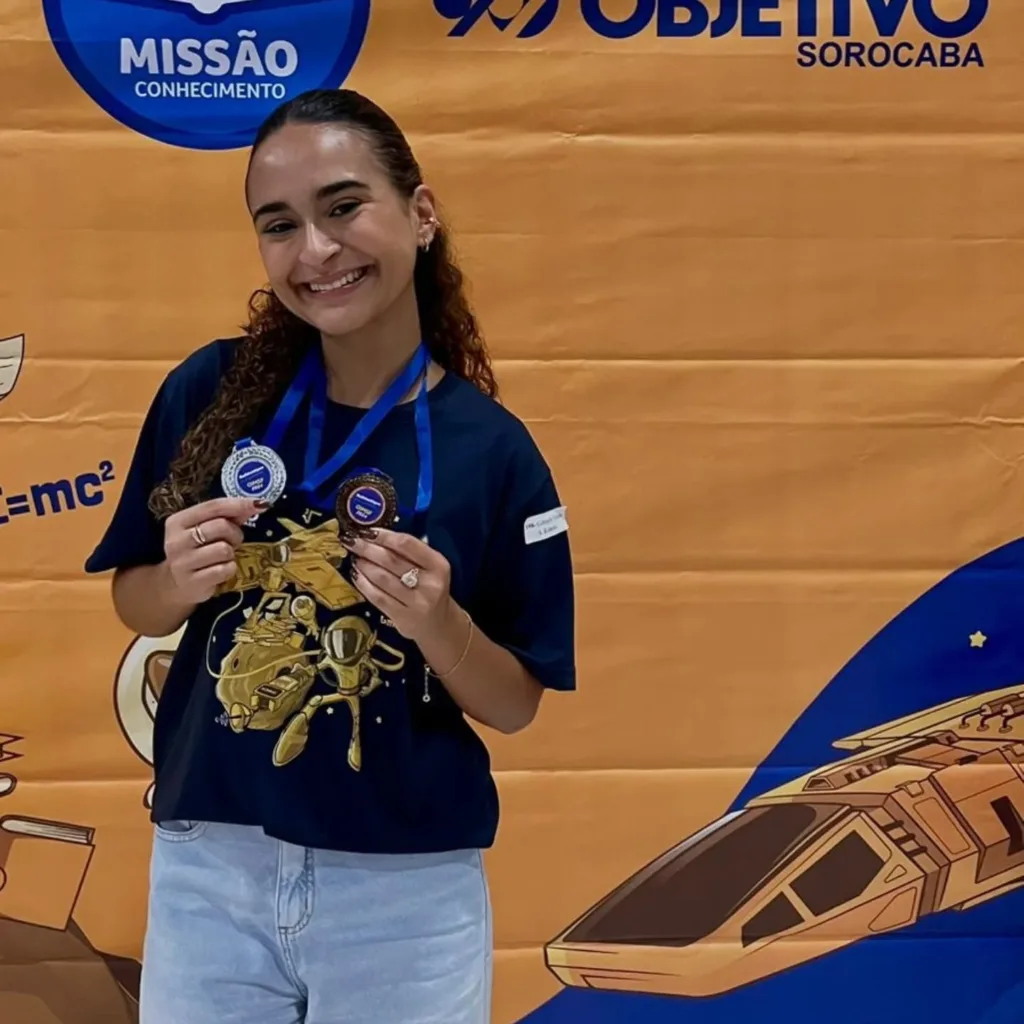
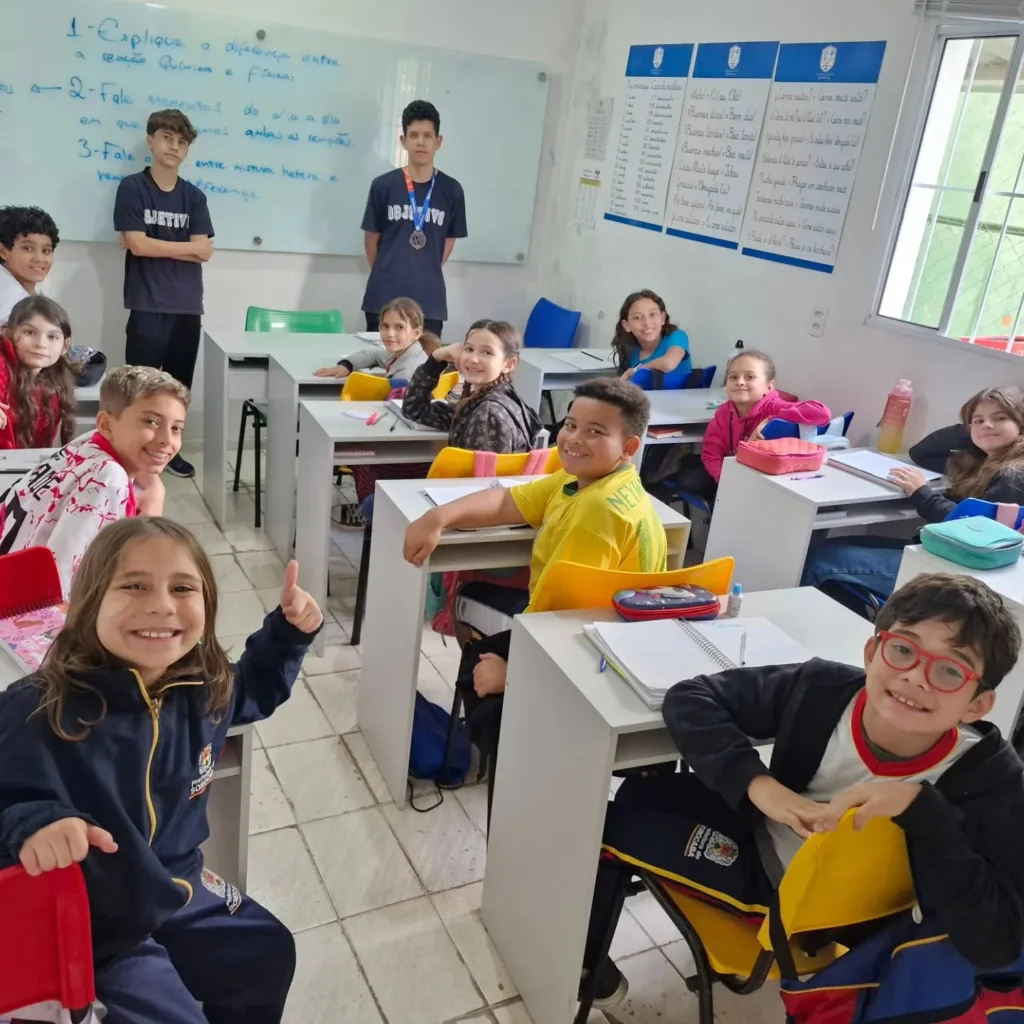
They are all “homegrown talents” and work as volunteers. These “young teachers” felt a calling to work at the institution and contribute continuously to the activities and classes that take place from Monday to Friday in the afternoon after regular school hours. This inspiration and motivation is a way of giving back and expressing gratitude for the opportunity they had there, as through our program they achieved academic successes they often never dreamed of. Several of our former students have decided to pursue a teaching career; some are in training, others have already completed their Pedagogy degrees and are working in the field. This gives us great pride and joy because we know the importance of the teacher’s role in the lives of children and young people. We are also aware of how much public education leaves a lot of gaps, partly due to precarious conditions, outdated methodologies, and the lack of support from principals and administrators for teachers. Not to mention the violence in the school environment. It is not uncommon to hear reports of what happens in different schools in our region, and we are deeply saddened. There are many obstacles for those who wish to learn and attend classes without being affected by the conditions inside and around the schools. This is reflected in the lives and choices of young people who often end up abandoning their studies and giving up on pursuing an academic career.
Leadership, Ethics, Emotional Health, Eco-citizenship, Critical Thinking and much more…
Our program of Peace Education started in 2018 and has continued to evolve since then. Due to its experimental and pioneering nature, we have the freedom to build its framework and develop activities that bring together studies on Non-violence, Culture of Peace, Leadership, Eco-citizenship, Emotional Intelligence, Mental Health, among other topics.
In 2024 we added classes on the subject of Eco-citizenship. We felt the need to reflect more deeply on climate change, with updated data, and to inspire actions that can mitigate or lessen the effects of the environmental crisis and denialism. We invited young people to reflect on how we can improve life on the planet, understanding the causes and possible solutions that can be implemented. After all, they will be the heirs to our progress or regression in how we care for our common home. The sooner they are sensitized and learn about how to preserve Nature, the better for everyone! Also in 2024, we started a campaign to collect aluminum cans, we began collecting electronic waste and giving it a correct destination through reverse logistics, and we also sought to raise awareness about the dangers the planet is facing. We presented documentaries that address the main issues. Problems generated by the climate crisis, solutions, and proposals for change in our personal and collective consumption habits were addressed.
We believe that these reflections and conversations can open paths, generate actions that lead them to review their concepts, inspire critical thinking, and lead them to engage in preserving, recycling, and reviewing their attitudes both at home and in the community. The result of our collection of recyclables in the year 2024/2025 generated R$ 650,00 (Six hundred and fifty reais). The money made from the sale of the aluminum was donated by the students to the school for repairs and maintenance at its headquarters.
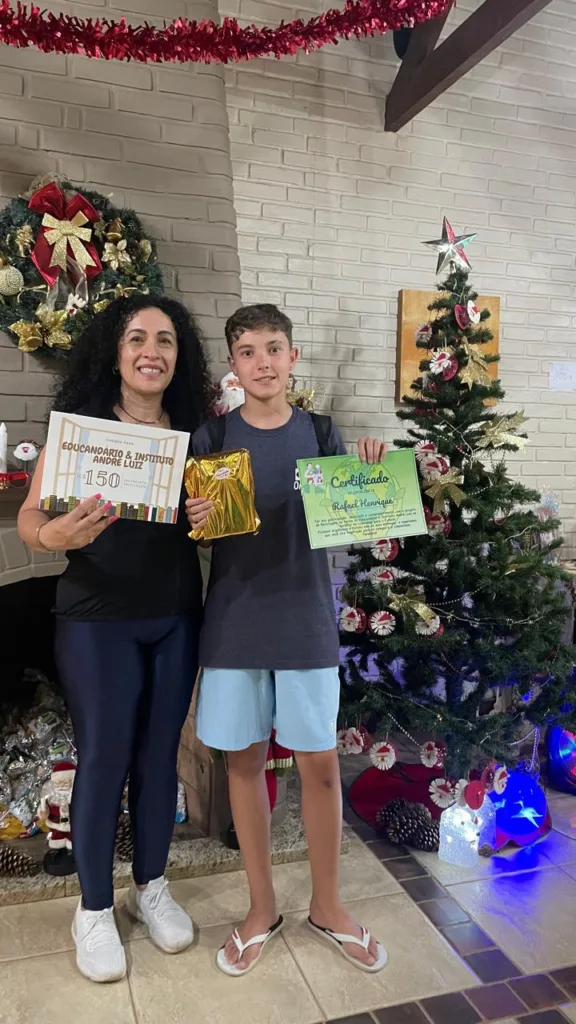
For the second year in a row, our student Rafael Henrique was our champion Ecocitizenship! He was the most engaged in the collection of recyclables for our Ecocitizenship project in 2025. His efforts provided about US $ 25,00 and the amount was donated to the institution and will help with the expenses. This creates a virtuous circle where everybody is benefited, the people, Nature and our program that nurture human values and ecological responsibility.
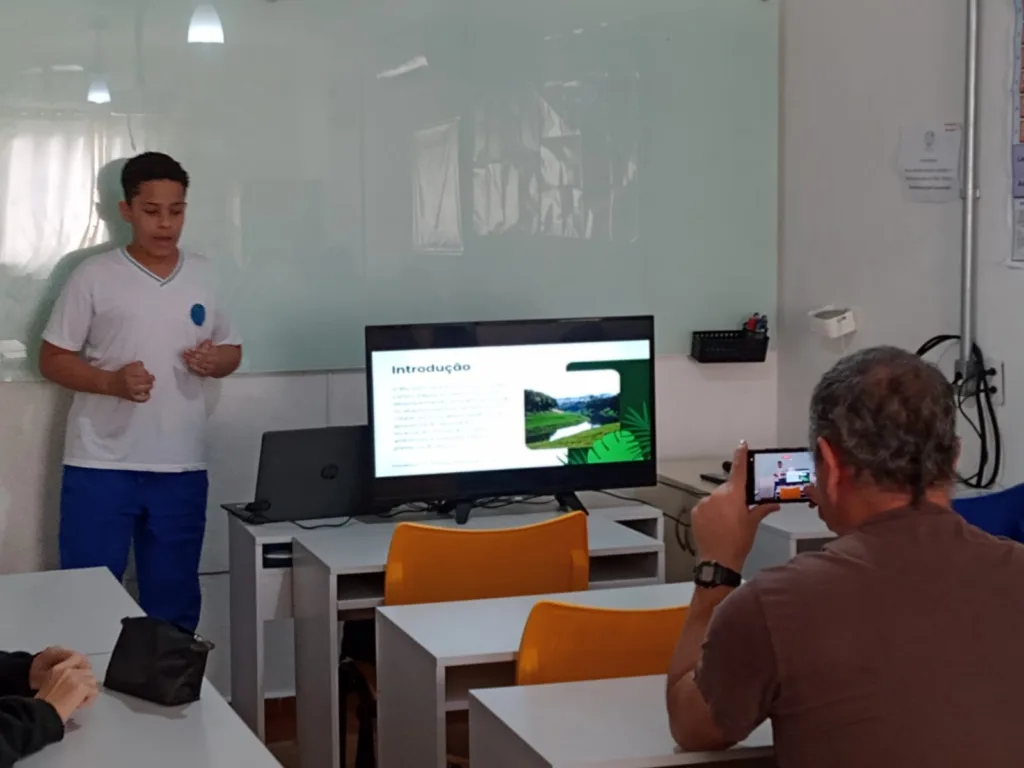
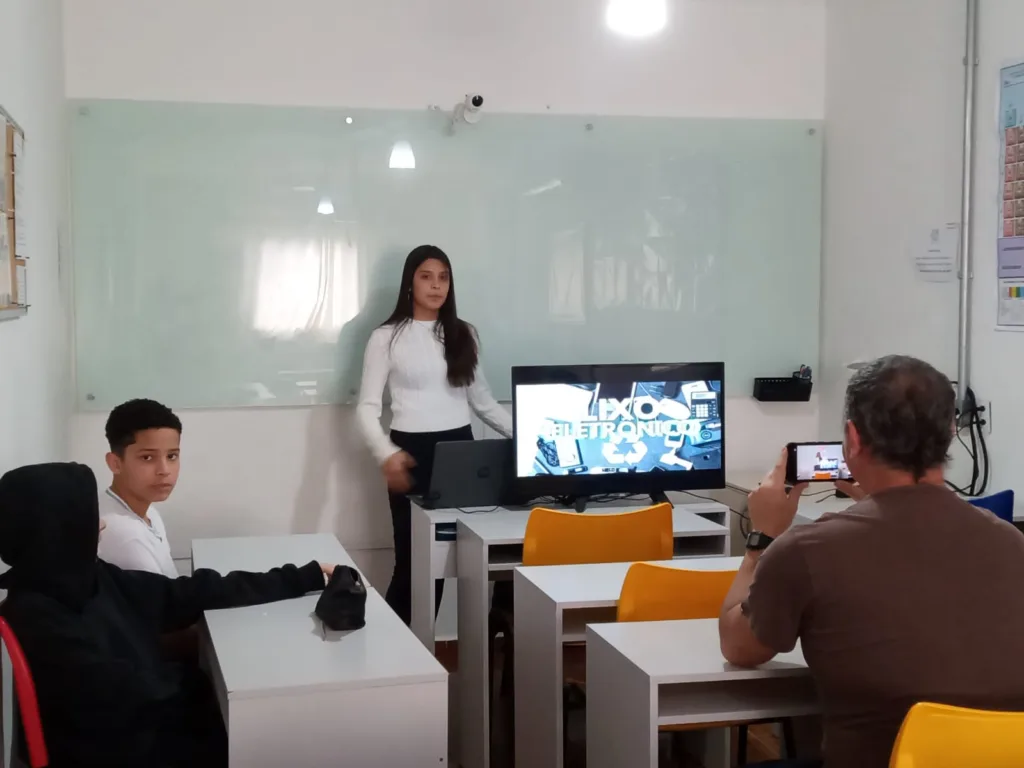
In addition to the topics presented on Eco-citizenship, the young people were invited to present projects on related themes during our meetings. The presentations were always photographed and filmed so that they can later make a critical evaluation of the work they have done.
Pedagogical overview of the classes
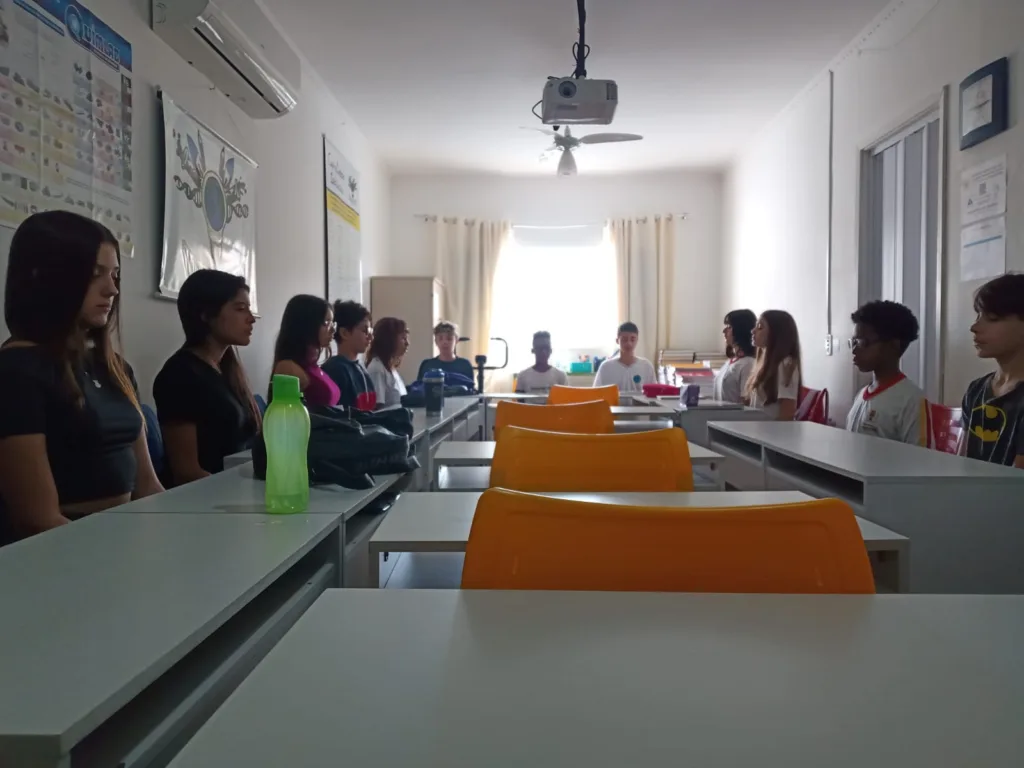
The Peace Education program classes take place once a week and last for an hour and a half. We begin the class with a brief silent meditation practice, breathing exercises, and visualizations that promote calmness, reduce anxiety, and create an environment conducive to study and dialogue.
At the start of the year, we define some rules for coexistence within the group, making a list of desirable or indispensable attitudes for a harmonious environment. For example: swearing, insults, and bullying are prohibited; interrupting classmates when they are speaking is not allowed; the classroom and shared materials must be kept tidy (students take turns cleaning and organizing the classroom); the use of cell phones during class is not permitted, etc. In a short time, the rules are assimilated, and there are rare instances where we have to intervene.
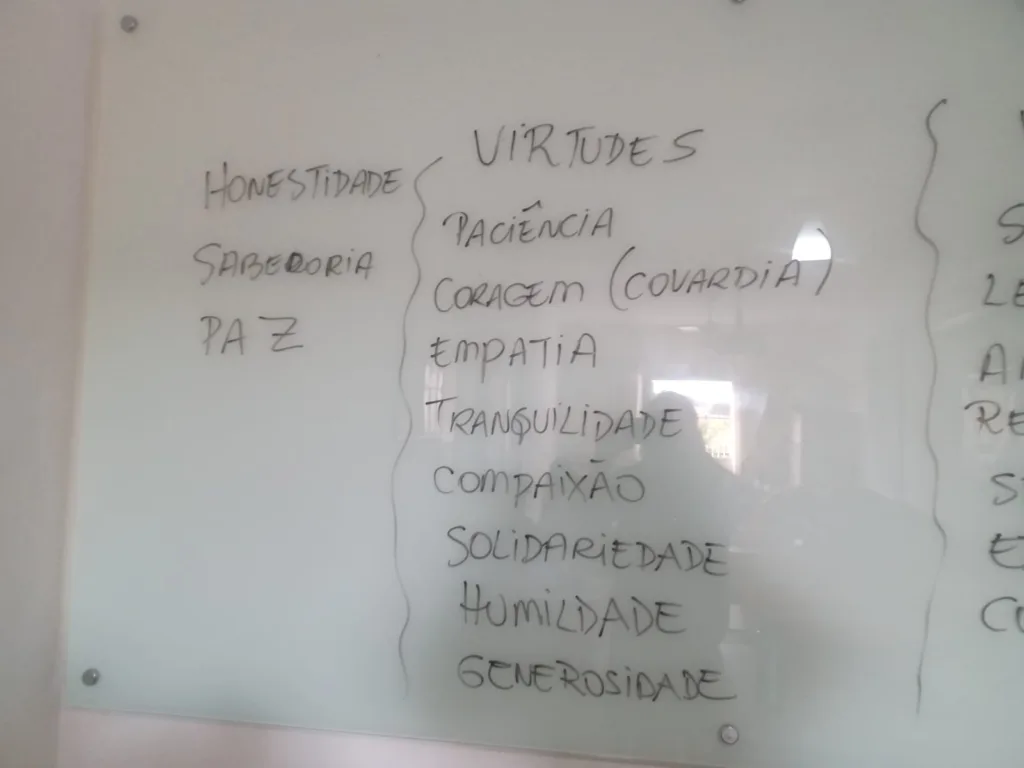
We also discussed what values and virtues are important to them, and we wrote a list based on the young people’s suggestions that guides the group’s actions.

We introduced the concept of Tikun Olam, the word means to mend or repair, it originates from Hebrew and means “to fix or improve the world.” The idea was to inspire them to participate in the world with their talent or desire to improve life in their community or on the planet. I learned about this concept during a presentation by educators at the Global Forum of Education at Azim Premji University in 2025 in Bangalore, India. I found it very interesting, and the examples shared there were truly inspiring. This concept addresses a practical form of co-creation of the Divine Work; it’s an invitation for each person to make their personal contribution. Some expressed a desire to help plant trees, others wanted to help abandoned animals, several decided to collect and donate clothes to families in need, and we also had students who wanted to help in the literacy process of children in vulnerable situations (unfortunately, they were unable to carry out the actions because the family thought their intention was to report the children’s precarious situation to the Child Protective Services).
Actions, big or small, contribute to shaping the character of young people, reducing selfishness and opening their hearts to solidarity. Obstacles exist, but individual determination is what matters most.
Tests and assessments
We are not proponents of exams in our classes; from the beginning of the meetings, we use different questionnaires and conduct tests that encourage self-evaluation and critical appraisal of academic and ethical performance. We do not encourage competition or comparison between participants; we believe in cooperative dynamics and the appreciation of individual talents, which are valued and celebrated during the meetings.
They had a Vocational Test, the group was encouraged to explore different professions as a possible future career choice. Some immediately felt a connection with the results, while others were surprised and began paying closer attention to their natural interests and aptitudes. Of course, these inclinations may change as they progress academically; the road ahead is still long, and the results are considered only as a reference.
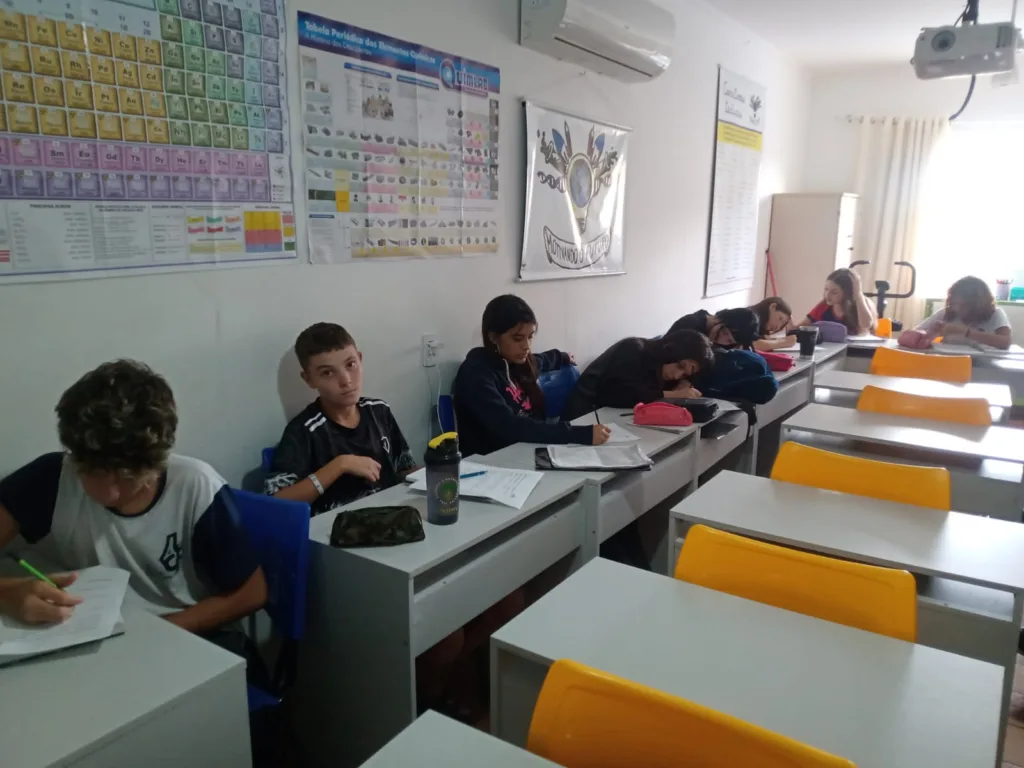
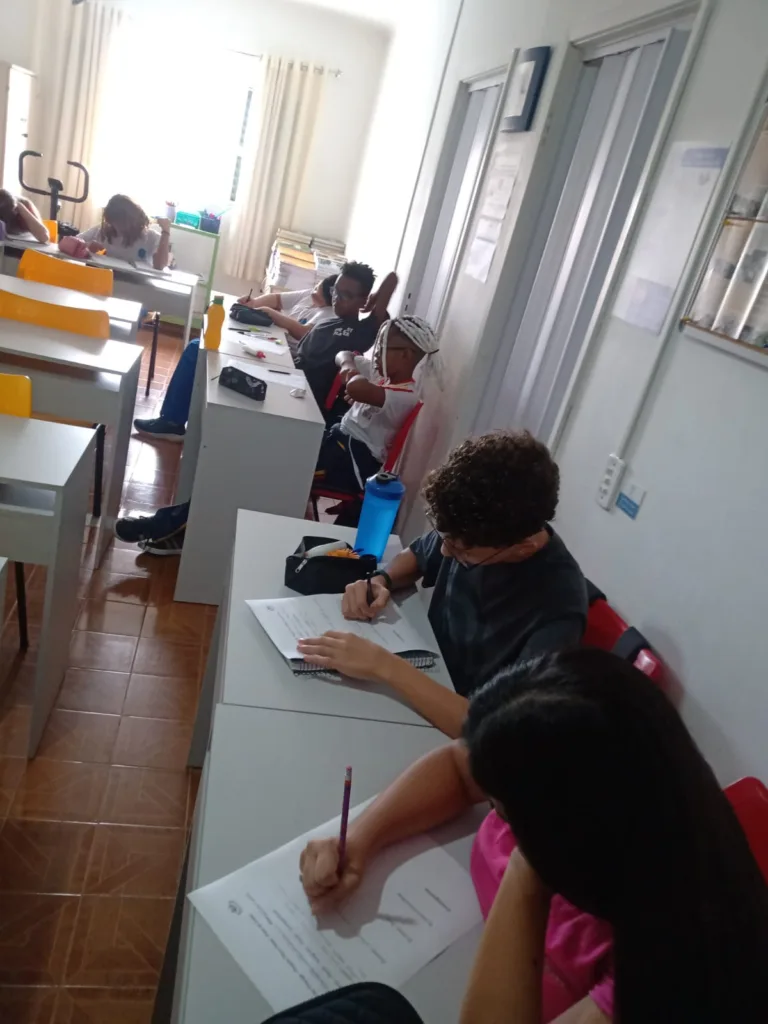
Some activities carried out throughout the year were inspired by the innovative school’s pedagogical model Riverside Learning Center where I had the privilege of doing an internship in February 2025 in the city of Ahmedabad, India.
Among the practices I adapted for use with the group is the Appreciation Circle, this is a dynamic activity where young people are invited to say something positive or compliment their classmates. For many, receiving praise or having a personality trait publicly highlighted is very rare. Some of the observations shared among them were expressions of gratitude for the friendships and bonds formed in the classroom, the cooperation during study time, the sincerity, loyalty, and the jokes they made among themselves. After the compliments, they were also invited to make critical observations about their classmates, provided they were accompanied by a strategy or suggestion on how the person could improve that attitude. For example: One student criticized a classmate for talking too much during class, which was disrupting the other students and affecting his own performance. Her suggestion was that he change seats and sit closer to the teacher to avoid being distracted by the conversation. Another criticism concerned jokes involving classmates who were uncomfortable with the type of comments made. The request was that these situations be avoided to prevent unnecessary arguments. This dynamic offered the group an opportunity to express their dissatisfaction politely, in a safe environment, and through dialogue. I truly believe that if we were all taught to dialogue and express our feelings without intending to offend or hurt our colleagues, seeking to offer alternatives to resolve the situation before discord escalates into conflict and drives people apart, it would be a very effective way to put Peace Education into practice! This is an application of the concept of Peace Pedagogy, where we are not trying to resolve a conflict, but rather strengthening bonds so that conflicts do not occur. And even when conflicts are inevitable, we understand that the energy of conflict does not need to be negative; we can direct it usefully to achieve objectives that benefit the group and not just an individual. We don’t need to agree on everything to avoid confrontation, but we can learn to disagree respectfully and maintain healthy and sincere relationships, without harming either party. I know several adults who are incapable of listening to criticism without becoming defensive, verbally or physically aggressive towards the other person when their opinions and attitudes are contradicted. This dialogue methodology is accompanied by suggestions that show that the friendship transcends differences and that when the situation is clear and specific, the chance of strengthening that relationship is very high. One of the main objectives of our meetings is to improve the communication and listening skills of our young people. I wish I had had this experience as a teenager! It would have made a huge difference in my relationships in adulthood.

In the first semester, they were invited to present thematic projects to the group; the projects could be presented in pairs or individually. Among the themes chosen for the presentations were: Electronic Waste, Ocean Pollution, Deforestation in Brazil, Demarcation of Indigenous Lands, Desertification, Fossil Fuels and Clean Energy, Melting Glaciers, Climate Crisis, Agroforestry, the Sorocaba River, and Regenerative Agriculture.
As preparation for the presentations, they were introduced to the pilot project we are testing called Media Minds, so young people had classes with Ricardo Albuquerque, a member of our team who is an expert in media, computer science and is also our film maker. This program instructed them on how to create slides for the presentations, use Canva, select photos, choose font sizes, and gather research references. Furthermore, it addressed the use of Artificial Intelligence, aiming to create a repertoire of possible applications, as well as the relevant ethical considerations and consequences of its misuse. Our intention is to improve this program with young people because the use of AI can be an advancement, but it also involves significant losses in cognitive function and creativity with its indiscriminate use. It is necessary to reflect on how to maintain an ethical and human standard when interacting with and preparing academic work using this tool. It is impossible to ignore the fact that its use can generate major problems for the planet and its inhabitants. We are unaware of the long-term impacts of AI use on the intellectual and cognitive development of children and young people, the lack of regulation and transparency regarding who creates this tool, the human values involved in its use, and many questions remain unanswered. We need to reflect and learn more about the consequences for the world and its inhabitants.
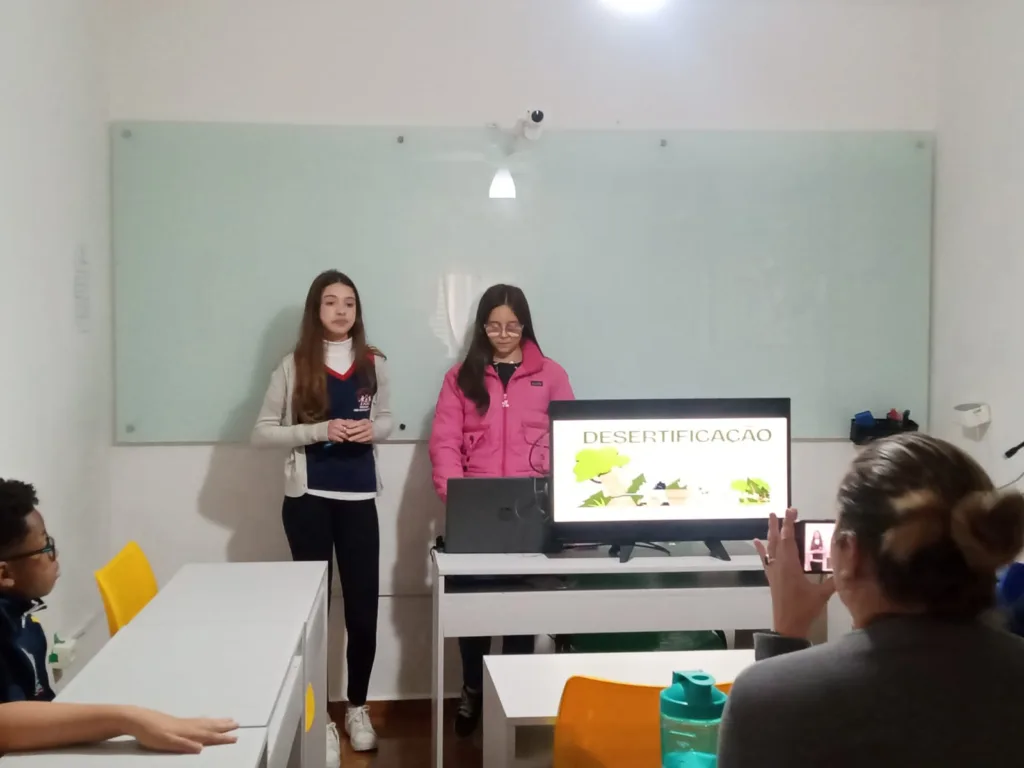


Presentations are a way for us to improve the communication skills of young people. There are two presentations per year; they choose the topics and group members. They experience the challenge of carrying out a group project and presentation. There are always lessons to be learned, both academically and socially. Being responsible, doing your part, or learning to dialogue with colleagues to reach a consensus on the presentation and delivery of the work is a challenge. The final presentation is individual and also presents new situations; the responsibility and quality of the work are paramount, and there’s no room for error, otherwise you’ll receive a negative evaluation.
After the presentations, they are evaluated by the group and also self-evaluate through videos that are presented covering all the topics. There we see the dynamics of the Appreciation Circle shine, with each video presented, the group makes notes on the positive and negative points and where the student needs to improve. This format facilitates learning but also creates a situation where attention to detail and the quality of group or individual work are also analyzed. There is no grading system; activities are explained, errors are corrected, and everyone can present a second time if needed. In case they have become nervous, the slides may not have turned out as well as they hoped, or they may have received and incorporated suggestions for changes made by friends or our team. The idea is for them to learn to give their opinion respectfully and constructively, and to know how to receive criticism or praise according to the quality of their work and effort. No one “covers for” anyone; if it’s good, they praise it; if it’s not, they suggest changes or offer help to their colleague on how to improve their presentation.
Introduction to Critical Thinking
Among the activities we conduct is an Introduction to Critical Thinking. We adapted some activities from the curriculum Wellspring, developed by an Indian educator and visual artist Vinita Modi, who works at Riverside School.


These reflections are important for evaluating the existential quality of young people.
We understand the challenges that arise during adolescence; we live in a time where social media is increasingly present, and comparisons with adult life are common. Toxic influencers, videos and other contents produced for TikTok and Instagram, despite showing a fabricated life, generate immense engagement among young people, and that is very dangerous. Social media creates a sense of illusion and a false sense of ease in making money by generating content online. This is one of the most common temptations among young people and adults too, unfortunately.
Effort, study, dedication, and personal improvement are often considered an obstacle to achievement, this generates a widespread lack of motivation. We seek to address and clarify these issues during our meetings, emphasizing how important it is to keep your feet on the ground and close to reality. Dreaming is important, but delusion is very dangerous.
Introduction to Neuroscience, Emotional Intelligence and Contemplative Practices
Among the topics we work on with young people are research in the areas of Neuroscience and Emotional Intelligence; our main references are the work conducted by Dr. Richard Davidson and Daniel Goleman.

We encourage participants to take free and creative notes on the presented content. Everyone is free to create their own way of studying and memorizing the content; this allows for greater engagement with the topics, and the notes can help in appreciating the subjects when choosing the topics for the final presentations, according to their needs and individual interests.


It is very important to make a connection between contemplative practices and the existential quality of young people. Offering strategies to reduce anxiety, increase focus, and bring the mind to the present moment can make a big difference in their quality of life and academic trajectory. We know how much interaction through cell phones and social networks can hinder cognitive and emotional development when there is no balanced use.
The impoverishment of friendships and lack of social integration can lead to depression, isolation, loneliness, self-destructive behaviors, and unfortunately, even suicide. Developing mindfulness, active listening, and communication skills contributes to self-knowledge and self-regulation. It’s important to remember that the meditation and silence practices taught to the group are not linked to any religion and can be practiced independently of individual beliefs. They provide a foundation so that, over time, the capacity for well-being, resilience, and concentration can be strengthened.
On Nonviolent Strategies and the Thought of Mahatma Gandhi
Reflections about non-violence strategies are presented to young people through lectures and the screening of the documentary series “A More Powerful Force – A Century of Nonviolent Conflict,” which shows the Indian Independence movement led by Mahatma Gandhi, demonstrating how the community united and applied strategies such as Civil Disobedience, Non-violence (Ahimsa), Peaceful Marches, Occupations, Boycotts, among others.

This topic is very inspiring and transforms the way young people understand the power dynamics and leadership models. Below are some student notes about Mahatma Gandhi:


As they become familiar with nonviolent strategies and realize how effective civil rights achievements based on these strategies have been, not only in India but also in the process of racial desegregation in the United States, in Denmark during the Nazi occupation, and in other countries such as Chile, Poland, Africa, etc., there is a change in how they interact with, absorb, and use this knowledge. This provides a new pattern of behavior, more aligned with human values and social activism. Something powerful flourishes among them; our role is to nurture these values and reflect on how we can implement these strategies in our community.
With the intention of deepening their studies and bringing examples of people we consider inspiring role models, young people are invited to research and present thematic projects to the group. The themes covered this year were: Mahatma Gandhi, Martin Luther King, Racial Desegregation in the USA, Nelson Mandela, Malala, Dalai Lama, Mother Teresa of Calcutta, Sister Dulce, Paulo Freire, Greta Thunberg. They were guided on how to do the research, create slides, and present to the class. All presentations were filmed, watched, and evaluated by the group in the Appreciation Circle.
Below is the link to the individual presentations. Some found it easier than others, but the improvement in the quality of the presentations was incredible, showing self-confidence, healthy self-criticism, and a willingness to improve and correct “flaws” identified during the process. During the Appreciation Circle it is possible to create a relationship of cooperation and respect for the opinions of friends, they recognize that the goal is to improve the work and presentation, not simply to criticize and set a grading standard.
Art as a tool for self-knowledge.
We always encourage creativity and artistic expression in our meetings. Mandala painting is an activity that, in addition to its positive effects on reducing anxiety, increases focus and attention. It also promotes well-being and self-esteem; the colors and their creativity always surprise us. The beauty and diversity of the patterns simply show us the diversity and style of each individual, and through the colors this is revealed, filling the room with beauty and good vibes. The photos and videos clearly show the harmony, lightness, and serene expression of the young people while doing it.


Examples that inspire and shape convictions.
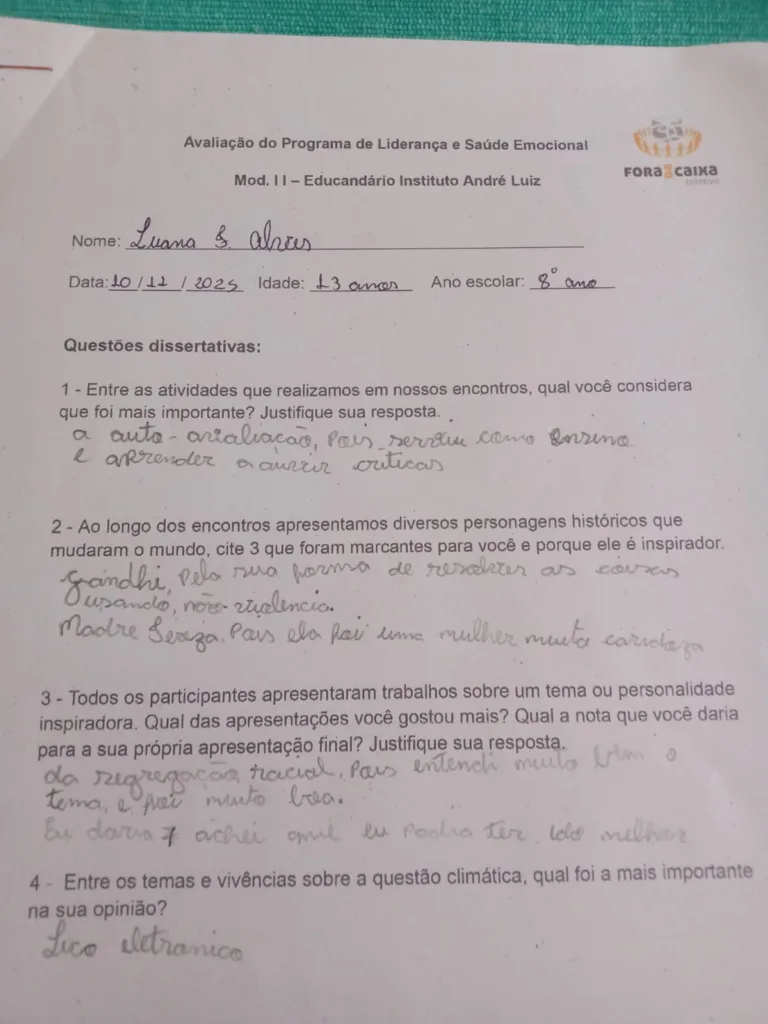
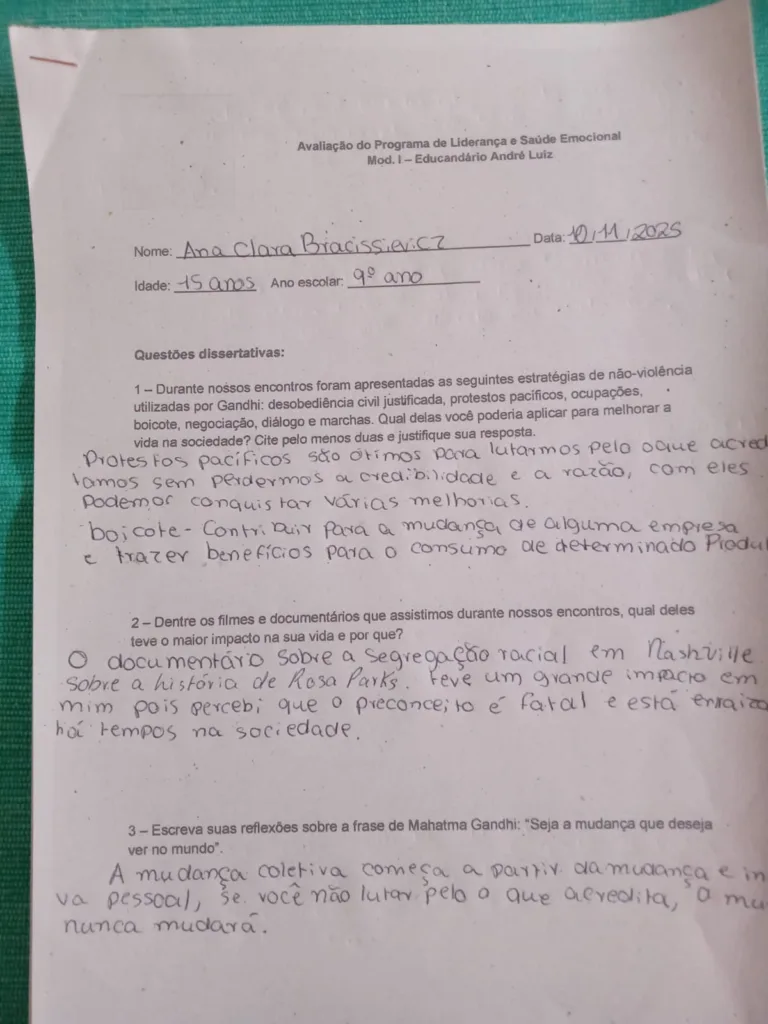
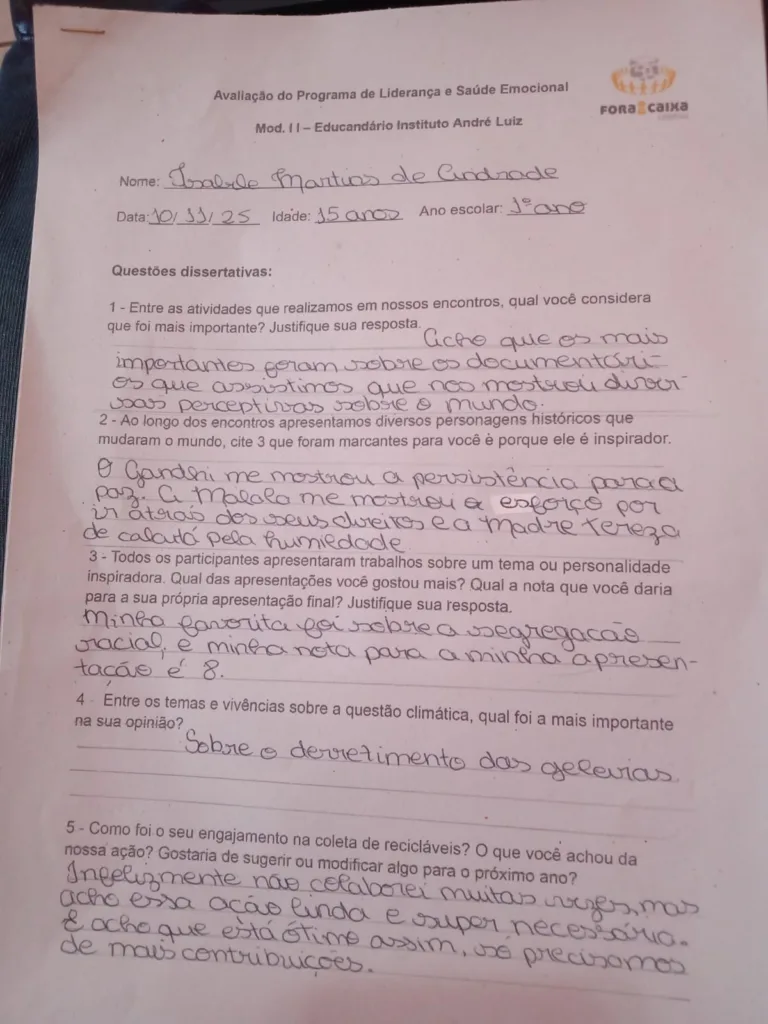
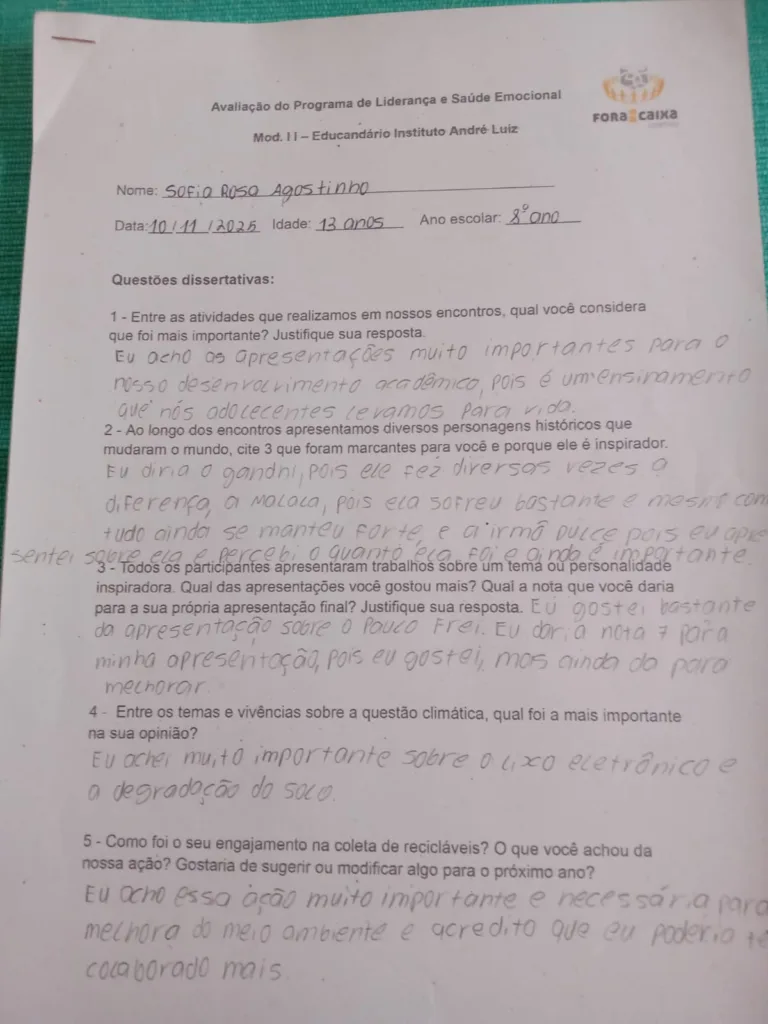
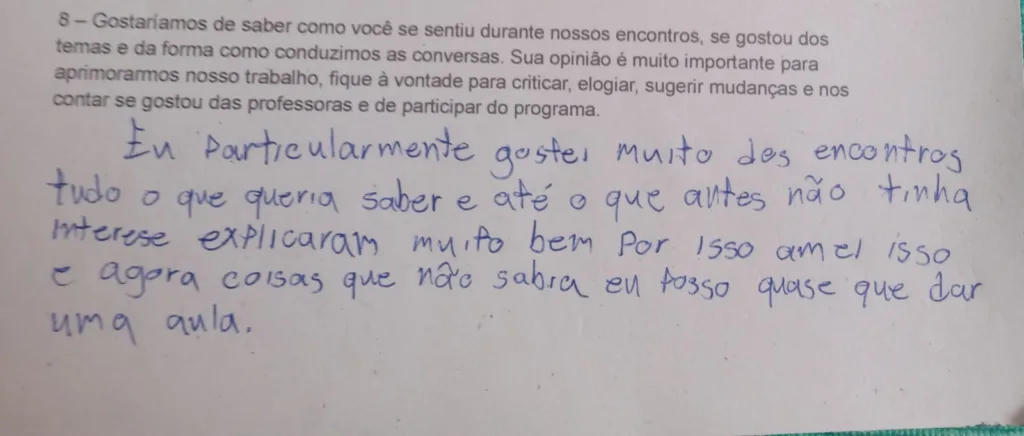
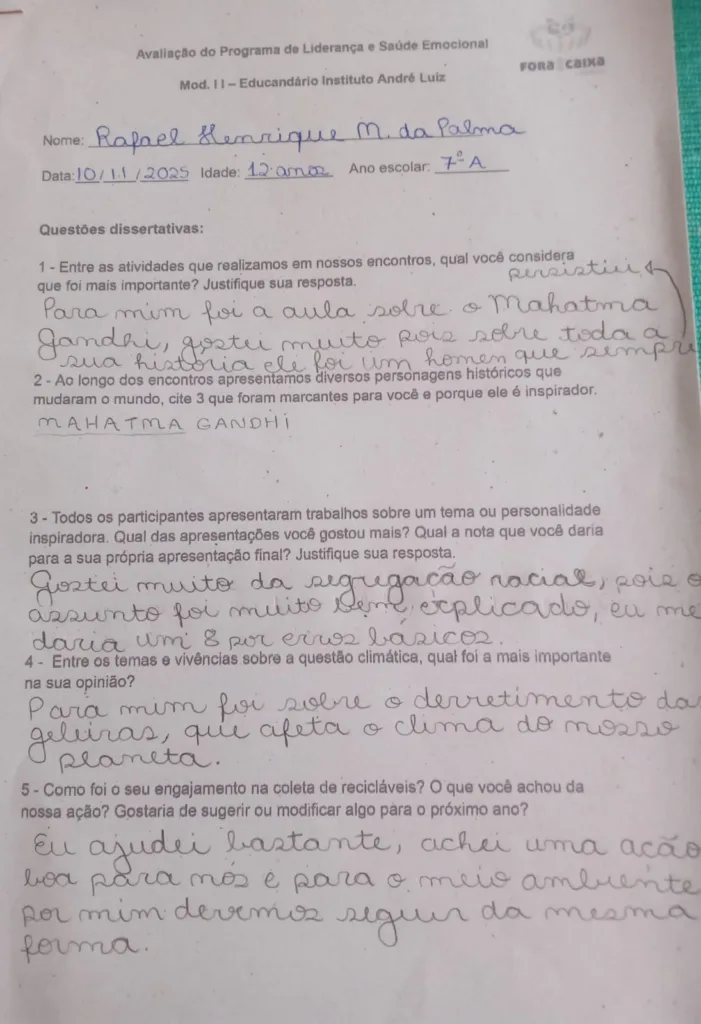
We strongly believe in the power of example. When a young person finds inspiration in extraordinary human beings like those mentioned above, the level of ethical and social improvement is elevated. We see this in the responses to the program evaluation questionnaires. Seeing a teenager talk about the impact of learning the strategies disseminated by Mahatma Gandhi on their psyche and life attitude fills us with pride and motivates us to continue our project.
Before concluding the year’s activities, we administered two evaluation and self-evaluation questionnaires to record the impressions and feelings of the young people throughout the program. They described the activities they enjoyed most, the personalities that had the greatest impact, and how the content presented could be applied to their academic and personal lives. Here we highlighted some of the responses received.




Conclusion
Each group participating in the program has individuals who challenge and surprise us. Even if they can’t attend the meetings the following year, because the chance of getting scholarships to private schools is great and highly desired by us and them. We feel that they will be better prepared to face life’s challenges from a more empathetic and emotionally balanced base, with improved listening and communication skills, with minds and hearts awakened to proactively collaborate in the community and the world.
Our “scholarship recipients” continue to receive support from the school, and as mentioned above, many return and offer their time and talent to help with classes or support activities at events throughout the year. It’s a virtuous circle that strengthens itself and allows us to closely follow the personal development of each one.
The friendship that develops between the children, young people, teachers, and the founders Ana Paula Cardoso and Pedro Henrique Cardoso Navarro is beautiful to see. Both are extraordinary human beings who work tirelessly for the advancement of children and young people through education. We are very proud to be part of this beautiful work that has wonderful results and makes possible, through this partnership, the realization of projects like the Fora da Caixa collective.
The activities and themes follow a flow determined by each group; we observe and adapt the lessons freely, allowing the young people to participate in the process. We are constantly learning from each other, and this learning is the greatest wealth we can find in the profession of teaching. To conclude, I would like to quote the poet Cora Coralina, who reflects the purest feeling and the highest achievement of a teacher: “Happy is the one who transfers what he knows and learns what he teaches.”

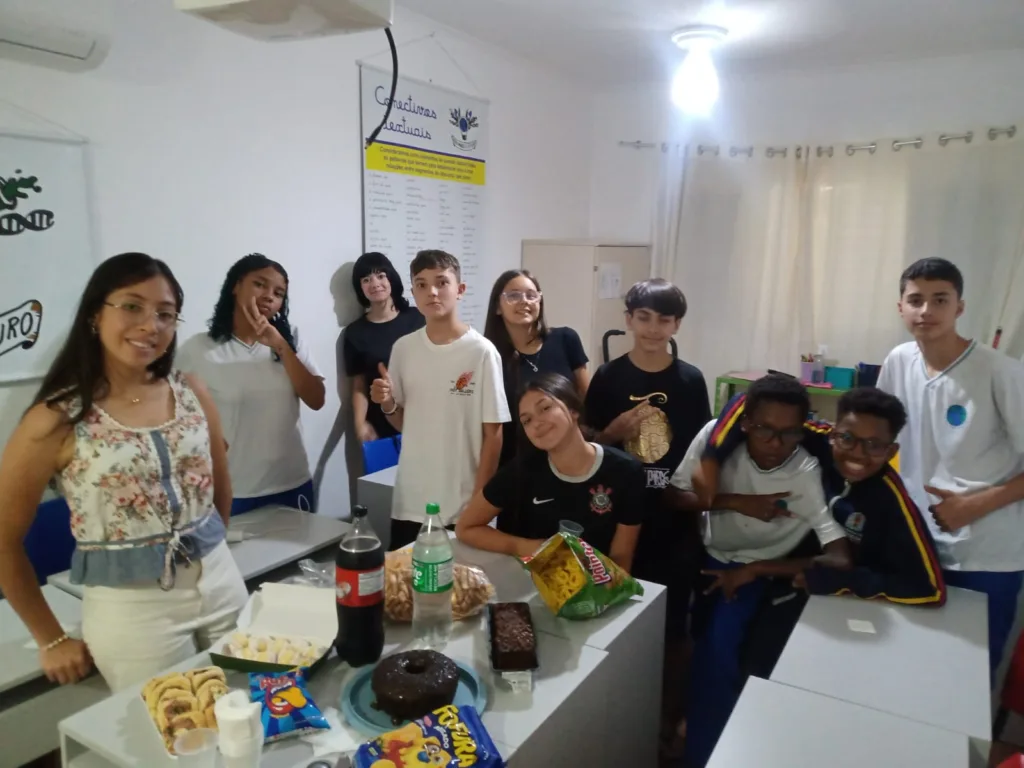
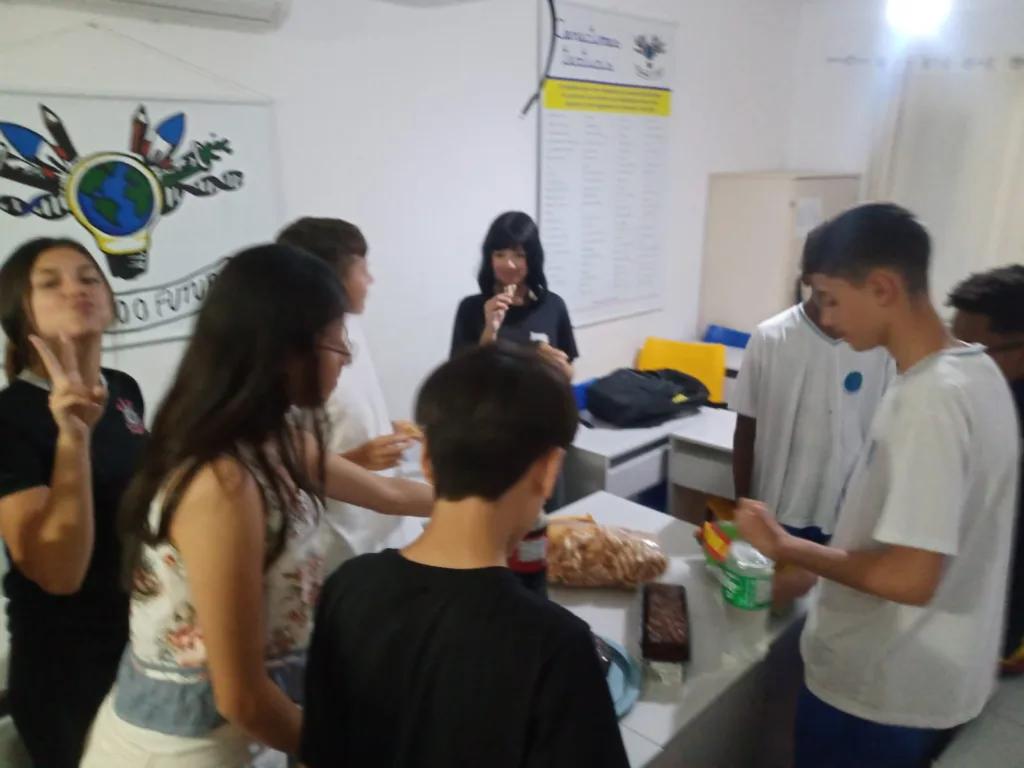
We made a video recording of our closing meeting, reflecting on what the participants enjoyed learning and what the most important experience was for them during the meetings. The result of this conversation will be released in the form of a mini-documentary, a recording of how the pedagogy of peace can transform, inspire, and expand the emotional, social, and environmental awareness of young people.
We hope that our experience inspires other educators to adopt strategies of Nonviolence and Peace Education in their classrooms or social support groups. Our sole aim is to offer a path of reflection, self-knowledge, and ethical responsibility towards the world and all sentient beings. Creating more compassionate, empathetic human beings, prepared to seek their rights peacefully and based on human values. May the seeds planted in the hearts of these young people blossom and bear much fruit! May their future be bright, compassionate, and nonviolent!
Hands in prayer,
Regina Proença